Turn Legacy Systems and New Ideas into Working Software with AI

CURRENT STATE AND CHALLENGES OF SYSTEM DEVELOPMENT

While many companies are advancing digital transformation (DX), development speed and resource constraints remain persistent challenges. IT departments often struggle with maintaining legacy systems and limited talent, creating a gap between the pace the business demands and the actual delivery time.

Low Code/ No Code Market Trend

Market Size and Growth Trends

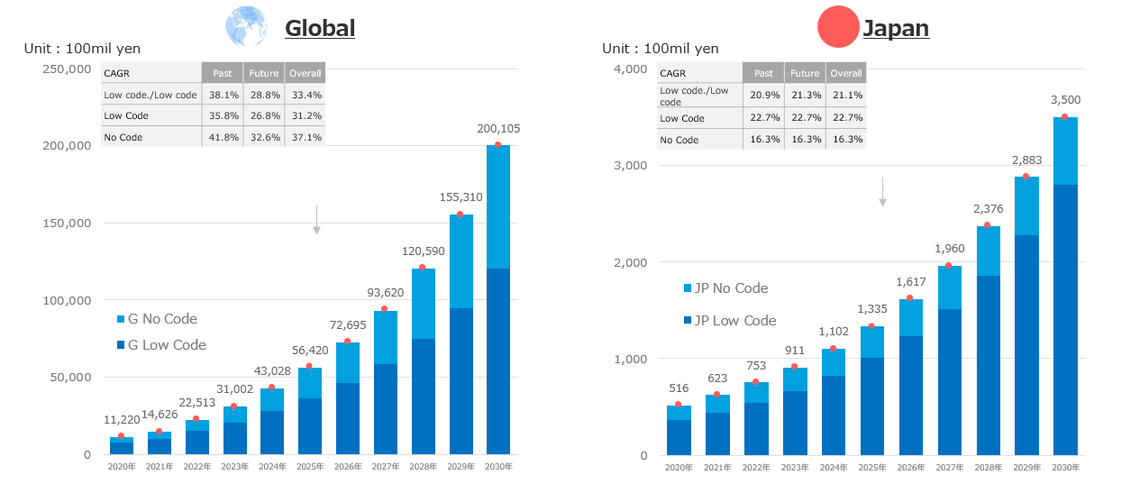
The low-code/no-code market is a sector expected to deliver strong medium- to long-term growth, both globally and in Japan.
In particular, the global market continues to expand at a high growth rate, driven by corporate digital transformation initiatives, the need to address talent shortages, and demand for faster software delivery.

Meanwhile, the Japanese market is also growing steadily, although at a somewhat slower pace compared with the global market.
As a result, expanding the use of low-code/no-code solutions in Japan requires more than simply introducing tools. Standardization, governance, and the establishment of effective operating models are critical success factors for broader adoption.

Within this market environment, Kodly is positioned as a platform that enables companies to balance speed and control by supporting the entire development lifecycle in one continuous flow — from requirements definition and design to implementation, testing, and deployment.
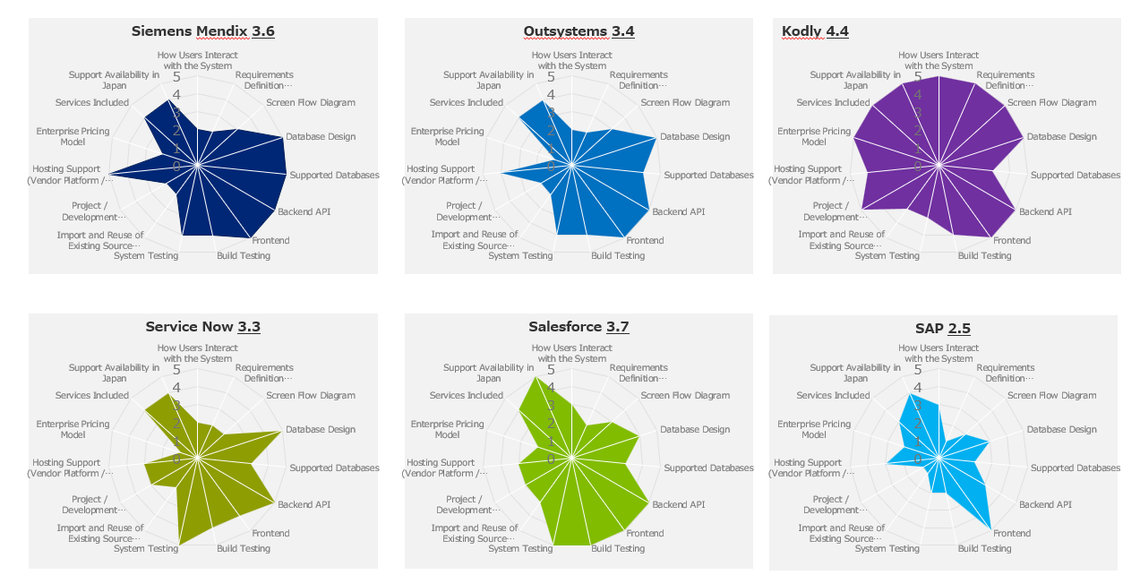
where we stand with our Competitors

Kodly is more than a development tool — it is an execution-oriented platform that connects requirements definition, backend API development, iPaaS integration, frontend development, and deployment in one seamless workflow.

Kodly stands out for its conversational user experience, strong requirements definition capabilities, frontend development support, flexible hosting options, pricing adaptability, included services, and support availability in Japan. More than just a development tool, Kodly is an execution-oriented platform that enables a seamless end-to-end journey from requirements definition to implementation and deployment. It supports requirements definition, backend API development, iPaaS integration, frontend development, LLM-powered document utilization, and user manual creation within a single continuous workflow.

WHAT IS KODLY?

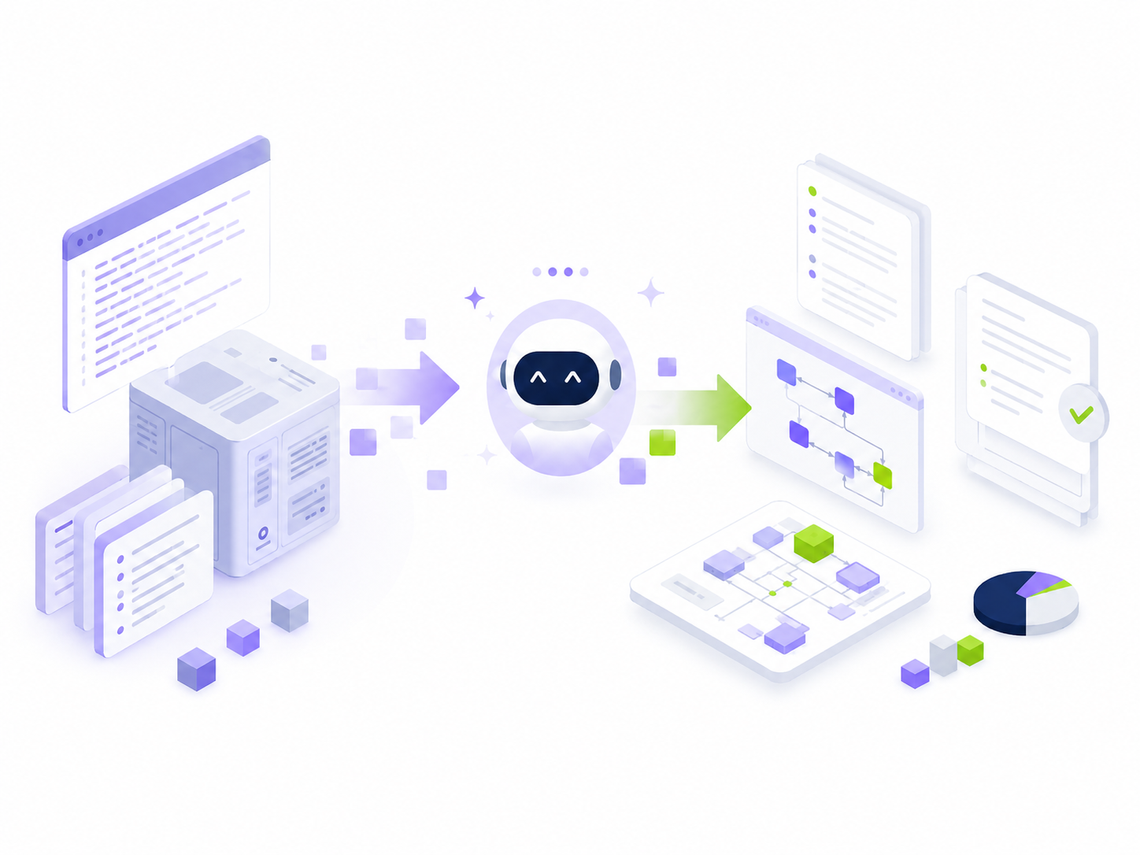
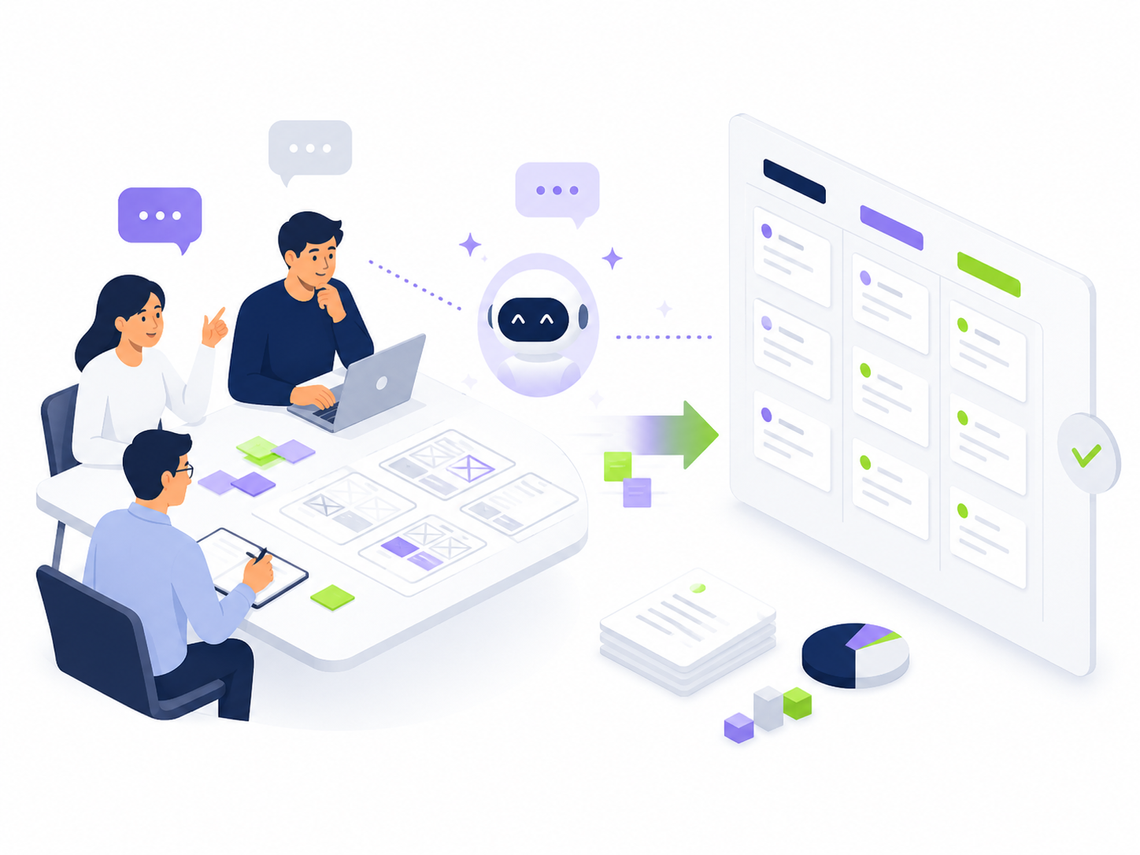
Kodly is an AI-powered low-code platform that transforms ideas, requirements, and even legacy source code into working systems.

Kodly supports the full development lifecycle, starting from requirements definition and extending through design, backend development, frontend generation, testing, and deployment. It can create screen flow diagrams, system prototypes, requirements documents, and detailed design artifacts, then use those outputs to generate backend schemas and APIs, as well as frontend screens, UI/UX, and connected application logic.
What makes Kodly different is that it is not only a forward-development tool; it is also a reverse engineering tool. During the requirements definition phase, if you provide a repository of legacy code, Kodly can analyze the existing system and extract requirements from it. This capability has been tested at 97% accuracy, making it a unique alternative to conventional AI tools for modernization and legacy analysis.

Once the requirements are extracted or defined, Kodly continues the process automatically by creating screen flow diagrams, prototypes, backend APIs, frontend UI/UX, and deployable code packages. The generated code is automatically verified by Kodly, and if an error is detected, Kodly fixes it automatically. Kodly also produces Swagger API specifications, hosts a functional compiled system on the Kodly environment, and allows teams to sync the generated code to local environments or GitHub repositories for deployment on their own cloud or on-premise servers.

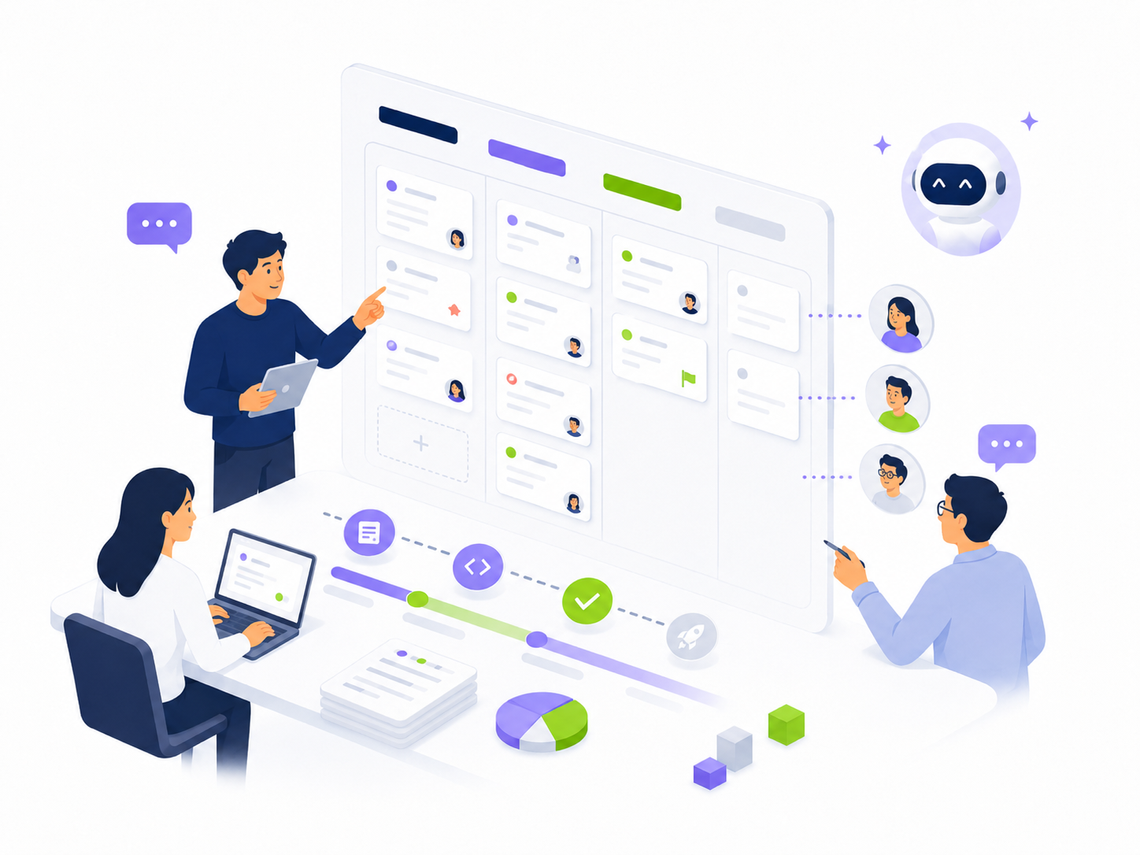
Throughout the entire process, Kodly also supports task management and assignment, enabling teams to manage responsibilities across development and deployment phases in one platform.

visit : Kodly - AI-Powered Product Development Platform for Collaborative Teams for more information

Requirements Definition

Turn ideas, documents, and business needs into structured requirements.

Kodly helps teams define requirements through AI chat and structured inputs. It can generate requirement documents, user stories, acceptance criteria, wireframes, and process flows, giving business and IT teams a shared starting point.

Highlights

  • AI-assisted requirements capture

  • Requirement documents and user stories

  • Acceptance criteria generation

  • Wireframes and process flows.

Reverse Engineering

Extract requirements and system structure from legacy code.

Kodly can also support reverse engineering by analyzing legacy repositories and existing system assets during the requirements phase. This helps teams uncover system structure, dependencies, and reusable knowledge before modernization begins.

Highlights

  • Analyze existing repositories

  • Extract legacy requirements

  • Reconstruct system structure

  • Support modernization planning

Screen Flow & Prototyping

Visualize the application before development starts.

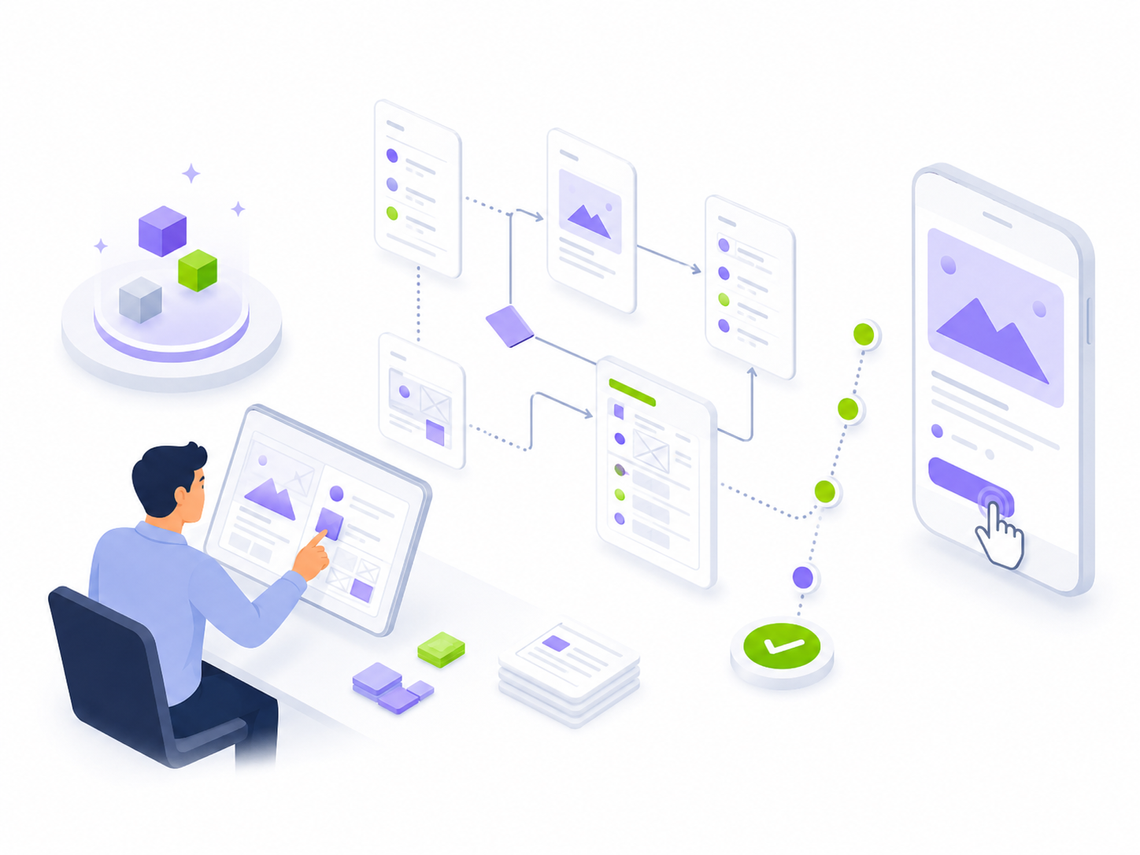
Based on requirements, Kodly generates screen transition diagrams, UI structure, and interactive prototypes. This helps teams align on user experience and business flow before moving into implementation.

Highlights

  • Screen transition diagrams

  • UI flow generation

  • Prototype creation

  • Faster business-user alignment

Backend & API Generation

Generate backend schemas, APIs, and technical specifications automatically.

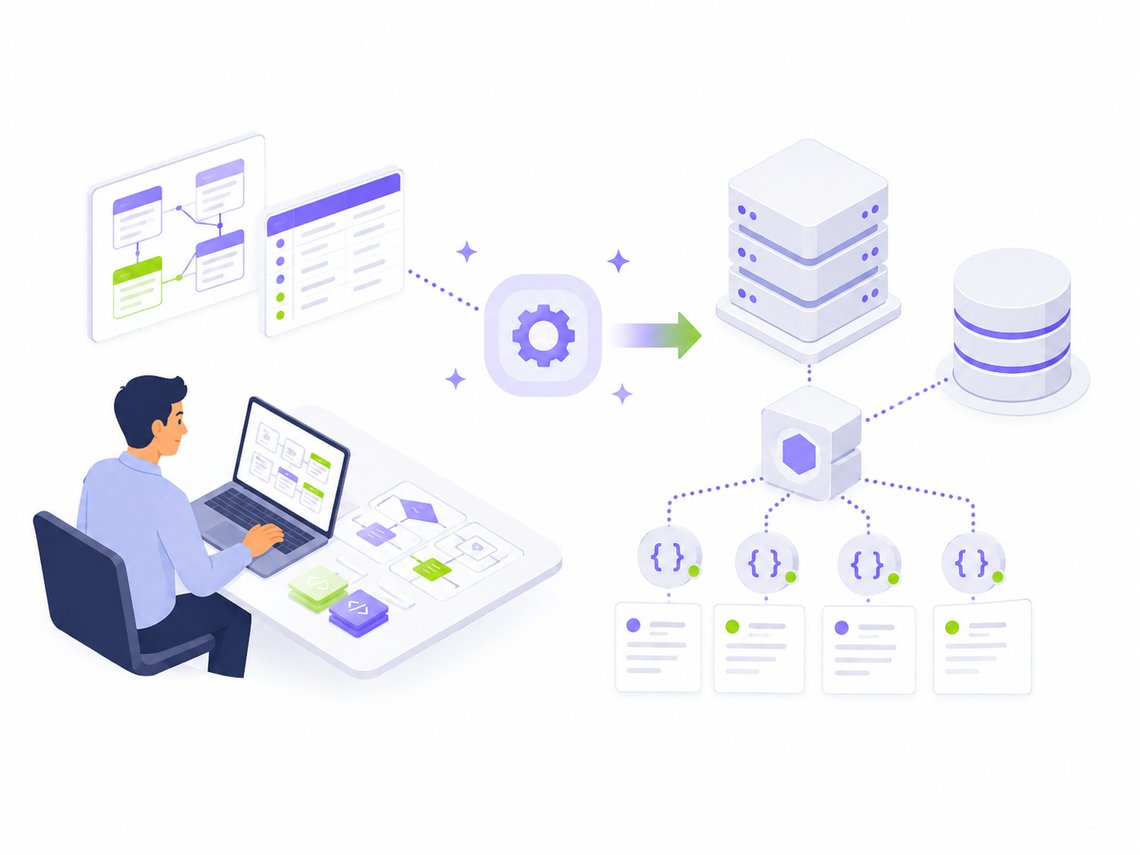
From requirements, screen flows, and design inputs, Kodly generates backend schemas, CRUD APIs, custom APIs, and related specifications. It also supports Swagger generation for API visibility and validation.

Highlights

  • Database schema generation

  • CRUD and custom API generation

  • Swagger API specifications

  • Faster backend delivery

Frontend UI/UX Generation

Create frontend screens and connected UI logic from design inputs.

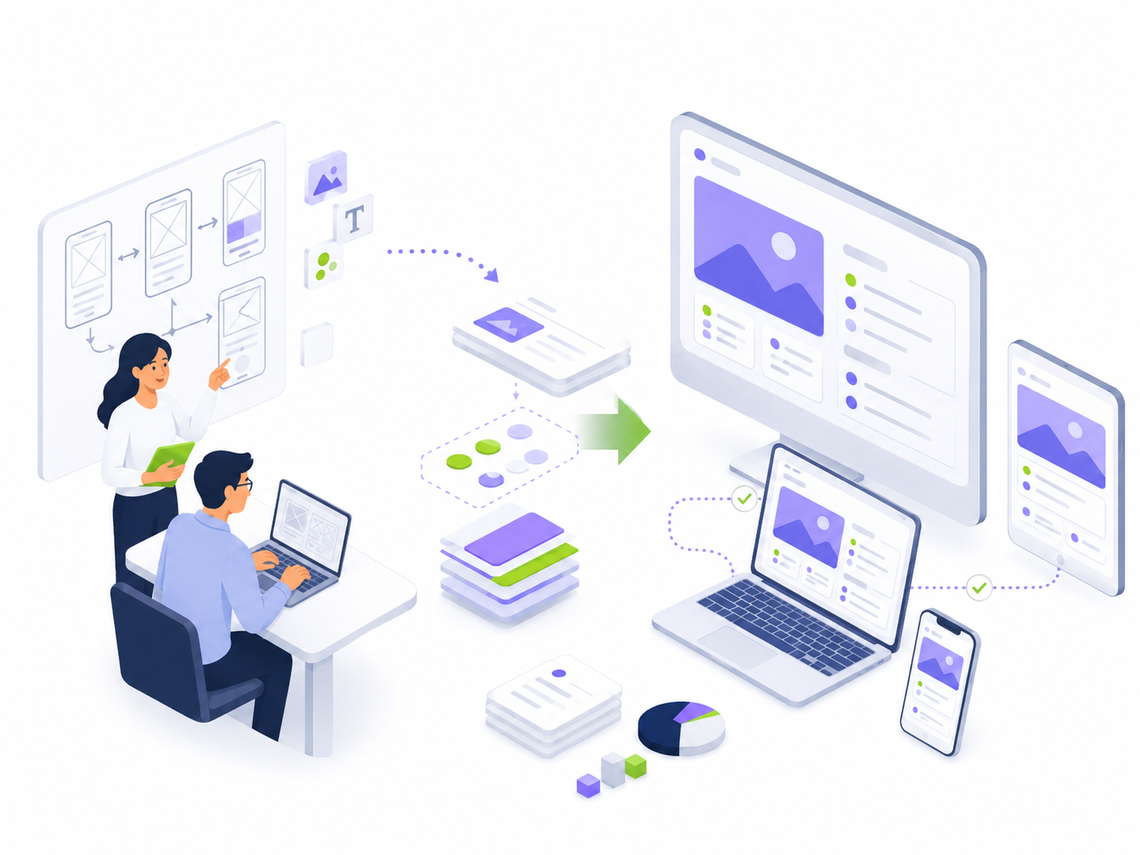
Kodly generates frontend screens and UI logic based on requirements, prototypes, and screen flows. Kodly can generate production-level frontend code using React and Tailwind CSS.

Highlights

  • Frontend screen generation

  • UI/UX aligned with requirements

  • Backend-connected interfaces

  • React + Tailwind output

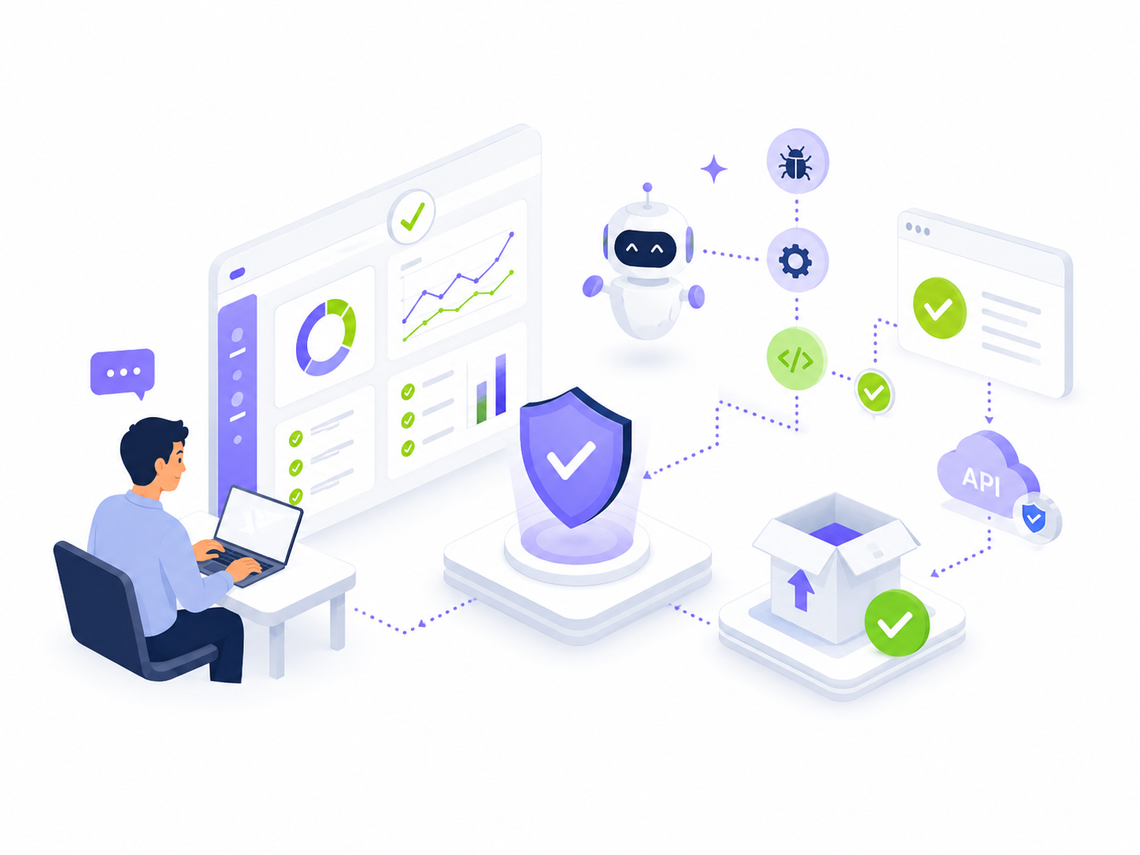
Testing & Auto Verification

Verify generated code automatically and fix detected issues.

Kodly supports early verification through Swagger UI, frontend sandboxing, and automated error resolution. This helps reduce handoff delays and catch issues earlier in the lifecycle.

Highlights

  • Automatic code verification

  • Auto error detection and fixing

  • Swagger-based API validation

  • Early frontend testing support

Hosting & Deployment

Run applications on Kodly or deploy them to your own environment.

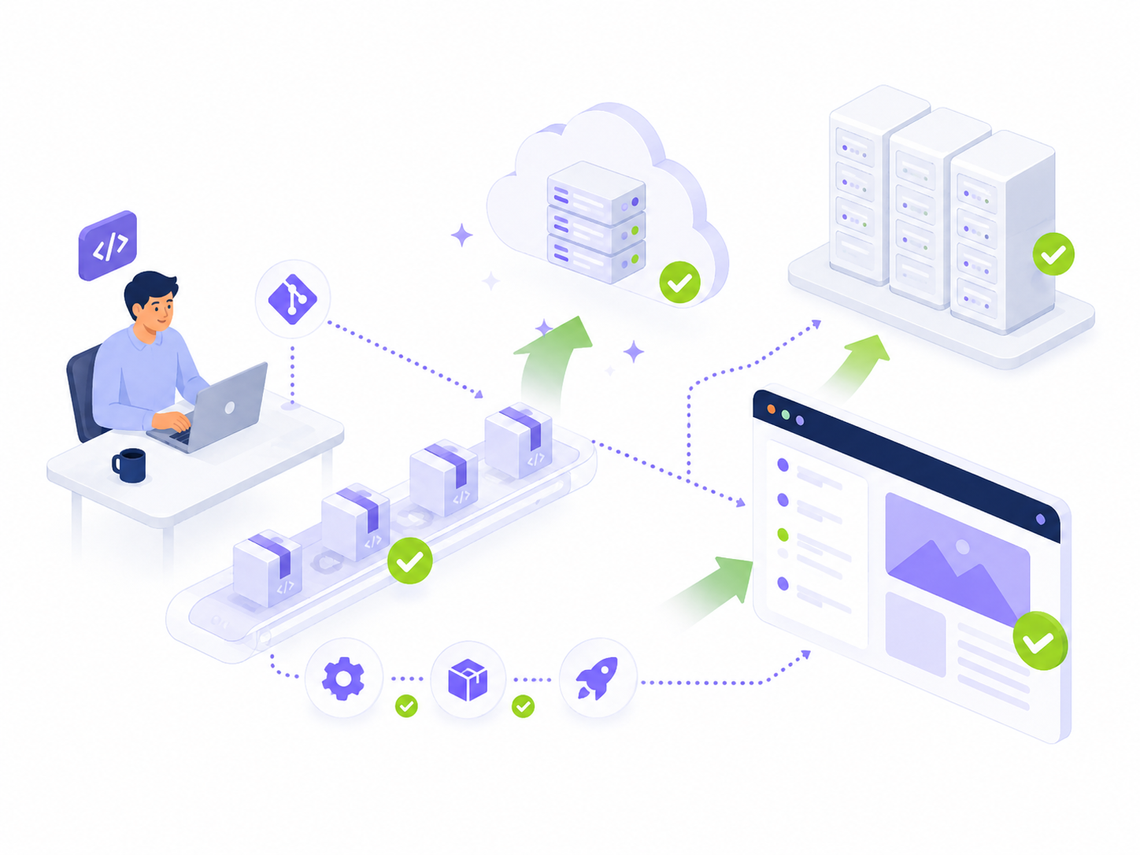
Kodly can host a working preview system in its environment, while also allowing teams to sync generated code to local machines or repositories for deployment in customer-managed cloud or on-premise environments. local sync, Git output, and AWS-oriented deployment support.

Highlights

  • Preview hosting on Kodly

  • Local code sync

  • Git-based output

  • Cloud or on-premise deployment

Task Management

Manage and assign work across development and deployment phases.

Kodly supports task creation and lifecycle coordination so teams can manage responsibilities from requirements through implementation and deployment. It is designed to reduce fragmentation between business, PM, and engineering teams.

Highlights

  • Task breakdown from requirements

  • Assignment by role or user

  • Coordination across phases

  • Better delivery visibility

Detailed Design

onvert requirements into technical design assets before implementation.

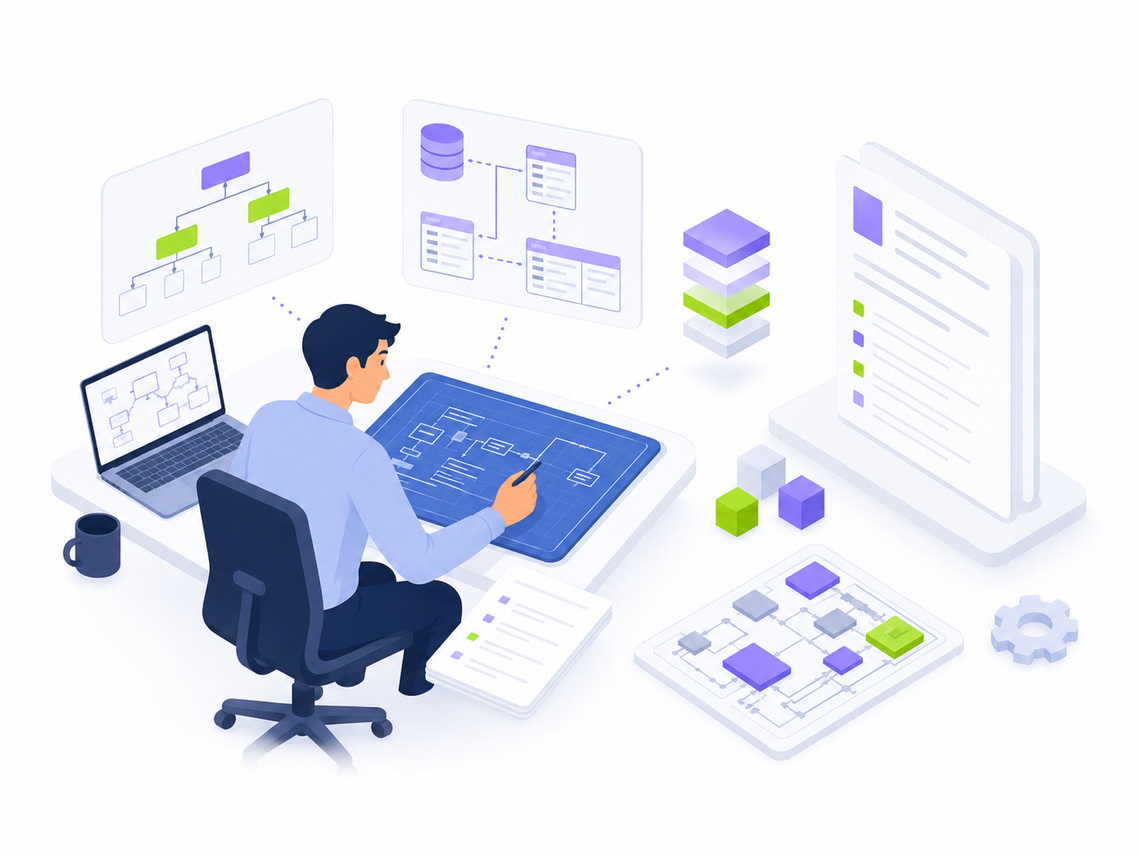
Kodly helps bridge business requirements and engineering execution by generating detailed design artifacts from requirements, screen flows, prototypes, and system inputs. This gives teams a clearer handoff into backend and frontend development while reducing ambiguity and rework.

Highlights

  • Technical design from requirements

  • Design handoff for engineering

  • Reduced ambiguity before coding

  • Better alignment across teams

This platform shortens the cycle from planning to operation, reducing time-to-market and costs. Unlike many no-code/low-code tools aimed at prototypes or small apps, it is designed from the outset for production, with source code ownership, end-to-end automation, and enterprise-ready features.

It is a practical choice for easing the load on development teams while meeting business needs with speed, quality, and scalability.
Experience the next generation of enterprise application development.

CONTACT US